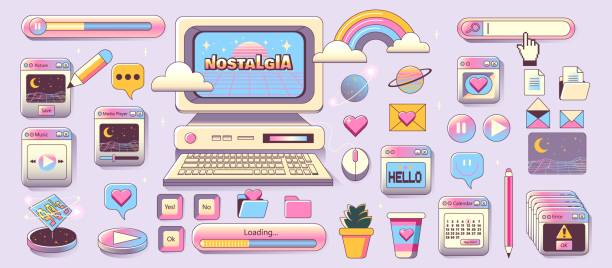
Nostalgia arises when people mentally revisit earlier life moments, triggering emotional comfort, identity reinforcement, and a sense of continuity that helps individuals process present uncertainties and emotional stress effectively today
Psychological research shows nostalgic recall activates brain reward systems, increasing dopamine levels, which enhances mood stability and reduces feelings of loneliness during fast changing digital and social environments today widely
People often turn to nostalgic content when facing uncertainty, because familiar memories provide psychological safety, helping them reconnect with simpler times and emotionally stable personal experiences from past years again
Nostalgia also strengthens identity by connecting past and present selves, allowing individuals to maintain continuity in self perception while navigating rapid changes in culture and technology environments more clearly now
Social media algorithms play a major role in resurfacing nostalgic content by detecting high engagement patterns, then promoting older posts that trigger emotional responses and increased user interaction rates frequently
Recommendation systems prioritize content similar to what users previously engaged with, meaning past trends and nostalgic media resurface repeatedly in personalized feeds across multiple platforms through continuous engagement cycles online
Algorithms amplify nostalgia because such content typically generates strong reactions, comments, and shares, which platforms interpret as valuable engagement signals for ranking and distribution systems across global social networks daily
Even older viral posts reappear when algorithms detect renewed interest cycles, ensuring nostalgic content continues circulating across feeds without requiring active reposting from creators and audience engagement naturally grows again
Online communities often revive nostalgic trends by sharing collective memories, memes, and cultural references that resonate with different generations across digital platforms and social spaces consistently over long periods online
Shared nostalgia strengthens online bonds as users connect through familiar experiences, discussing past events, entertainment, and cultural moments that shaped earlier internet eras while building stronger digital community identity globally
Memes and nostalgic references travel quickly across platforms because users enjoy reliving shared cultural moments that feel relatable and emotionally engaging which increases engagement and content virality significantly across networks
Communities act as preservation hubs where older trends are rediscovered, reshared, and reinterpreted, keeping nostalgia cycles active within online cultural ecosystems continuously through user participation and collective memory sharing again
Fashion industries frequently recycle past styles, bringing nostalgic designs back into modern wardrobes as designers reinterpret vintage aesthetics for contemporary audiences worldwide in seasonal and cultural trend cycles consistently evolving
Retro styles often resurface because consumers associate them with emotional memories, cultural identity, and perceived authenticity that modern fast fashion sometimes lacks driving renewed interest among younger buyers globally trending
Social media accelerates fashion nostalgia by showcasing throwback outfits, influencer styling, and historical fashion references that inspire replication among users through viral posts and curated aesthetic trends on multiple platforms
Brands intentionally reuse nostalgic elements to evoke familiarity, increase engagement, and connect emotionally with consumers who associate past trends with positive experiences and lifestyle memories in modern marketing strategies globally
Music streaming platforms continuously revive older songs by placing them in algorithmic playlists, exposing younger audiences to nostalgic tracks that regain popularity years after original release through repeated listening cycles
Film and television industries often reboot classic franchises, capitalizing on audience nostalgia to attract both older fans and new viewers seeking familiar storytelling formats across global entertainment distribution systems today
Nostalgic soundtracks and remixes gain popularity as creators sample older music, blending past and present styles to create emotionally resonant entertainment experiences in modern digital music culture spaces worldwide trends
Entertainment platforms recycle nostalgic content through remakes, reboots, and anniversary editions, ensuring continuous engagement from audiences who appreciate familiar cultural storytelling that resonates across different generations and regions globally shared
Brands leverage nostalgia marketing to increase product appeal, using familiar cultural references that trigger emotional connections and encourage purchasing behavior among targeted audiences through strategic advertising and branding efforts globally
Companies analyze consumer nostalgia trends to design products that reflect retro aesthetics, increasing market demand by tapping into emotional attachment and cultural familiarity driving long term consumer engagement across industries
Advertising campaigns frequently reuse nostalgic themes to build trust, as audiences respond positively to familiar imagery, music, and storytelling techniques that reinforce brand identity and consumer loyalty in competitive markets
Nostalgia driven campaigns reduce perceived risk for consumers, making them more likely to engage with familiar brands and products that remind them of positive past experiences in modern advertising psychology studies
Digital archives and online platforms preserve past cultural content, allowing nostalgia trends to resurface easily as users revisit old media, posts, and community interactions across evolving digital ecosystems globally today
Search engines and recommendation systems make old content discoverable again, enabling nostalgia cycles by resurfacing forgotten posts, videos, and cultural artifacts online through advanced indexing and retrieval technologies at scale
Cloud storage and social media backups ensure that even years old content remains accessible, supporting continuous nostalgia sharing across global digital audiences without loss of historical digital information over extended time
Digital platforms intentionally surface archived content through features like memories and throwback feeds, reinforcing cyclical nostalgia consumption patterns among users that strengthen emotional connection with past experiences across digital platforms
Nostalgia helps individuals construct personal identity by linking childhood memories and formative experiences with present day self understanding and emotional grounding processes that support long term psychological stability internally formed
People rely on nostalgic memories during stressful periods because familiar emotional patterns provide comfort, reassurance, and a sense of belonging in uncertain environments across personal and social contexts consistently experienced
Nostalgic media consumption allows individuals to temporarily escape present pressures, offering emotional relief and reinforcing a sense of continuity between past and current life within everyday digital experiences daily life
Emotional comfort derived from nostalgia is amplified by repeated exposure to familiar content, strengthening psychological resilience and positive affect over time through consistent digital engagement and memory recall processes today
Nostalgia trends will likely intensify as digital platforms improve personalization, making older content more accessible and seamlessly integrated into everyday user experiences online with advanced algorithmic content recommendations continuously evolving
Future social media ecosystems may further blur lines between past and present by continuously resurfacing memories, trends, and cultural moments automatically through intelligent data driven personalization systems across global networks
Entertainment platforms will continue reviving nostalgic content as audience demand for familiar storytelling increases across rapidly evolving digital consumption habits driven by emotional engagement and cultural memory in modern society
Nostalgia will remain a powerful force shaping media, culture, and marketing as technology continues to archive, recommend, and resurface past experiences globally across interconnected digital and social ecosystems worldwide trends

This post has been authored and published by one of our premium contributors, who are experts in their fields. They bring high-quality, well-researched content that adds significant value to our platform.










Trending Buzz is your trusted source for trending news, viral stories, entertainment, technology, lifestyle, and informative content. Discover what's buzzing around the world every day.