Television has changed dramatically over the past decade. The traditional model of scheduled programming, satellite dishes, cable packages, and fixed viewing times is increasingly being complemented by internet-based entertainment. At the centre of this transformation is IPTV UK, a technology-driven approach that allows television content to be delivered through an internet connection rather than relying exclusively on conventional broadcast infrastructure.
For viewers across the United Kingdom, this shift represents more than another way to watch television. It reflects a broader change in how people discover content, choose entertainment, use connected devices, and manage their viewing experience. With faster broadband, smart televisions, streaming devices, and increasingly flexible viewing habits, internet-based television has become an important part of the modern digital entertainment landscape.
IPTV, or Internet Protocol Television, refers to television content delivered through internet networks using IP technology. Unlike conventional broadcasting, where programmes are transmitted according to a predetermined schedule, IPTV can support more flexible ways of delivering live television, on-demand programming, catch-up content, and other digital media.
The growing interest in UK IPTV is closely connected to changing consumer expectations. Modern viewers increasingly want entertainment that fits around their schedules rather than requiring them to organise their lives around television schedules.
This demand for convenience has encouraged the development of services that provide access through internet-connected televisions, streaming boxes, smartphones, tablets, computers, and other compatible devices. As a result, television is becoming less dependent on a single screen or traditional household setup.
The transformation of television is part of a much larger digital movement. Music moved from physical media to digital platforms, newspapers expanded into online publishing, and communication shifted towards connected services. Television is undergoing a similar evolution.
With an internet-based television model, content can be distributed digitally and accessed through compatible applications and devices. This creates an environment where viewers can potentially move between different screens while maintaining a more consistent entertainment experience.
The modern household may include a smart TV in the living room, a tablet in the bedroom, a smartphone for mobile viewing, and a streaming device connected to another television. IPTV UK services can fit naturally into this connected environment when the provider and content are properly licensed and the devices are supported.
One of the most important developments in internet television is the growing interest in an IPTV UK subscription. Subscription-based entertainment has become familiar to consumers because it can provide access to digital content without requiring viewers to purchase individual programmes or physical media.
However, the value of a subscription depends heavily on what it provides.
A strong IPTV UK subscription should offer a sensible combination of content, reliability, device compatibility, streaming quality, customer support, and transparent pricing. Consumers should also consider whether the provider has appropriate rights to distribute the content it offers.
The most attractive subscription is not necessarily the one advertising the largest possible number of channels. Instead, viewers should focus on whether the service consistently provides the content they actually want to watch and whether it delivers a dependable experience.
The modern television experience is increasingly built around connected devices. Smart TVs have transformed television sets from simple broadcast receivers into internet-connected entertainment hubs.
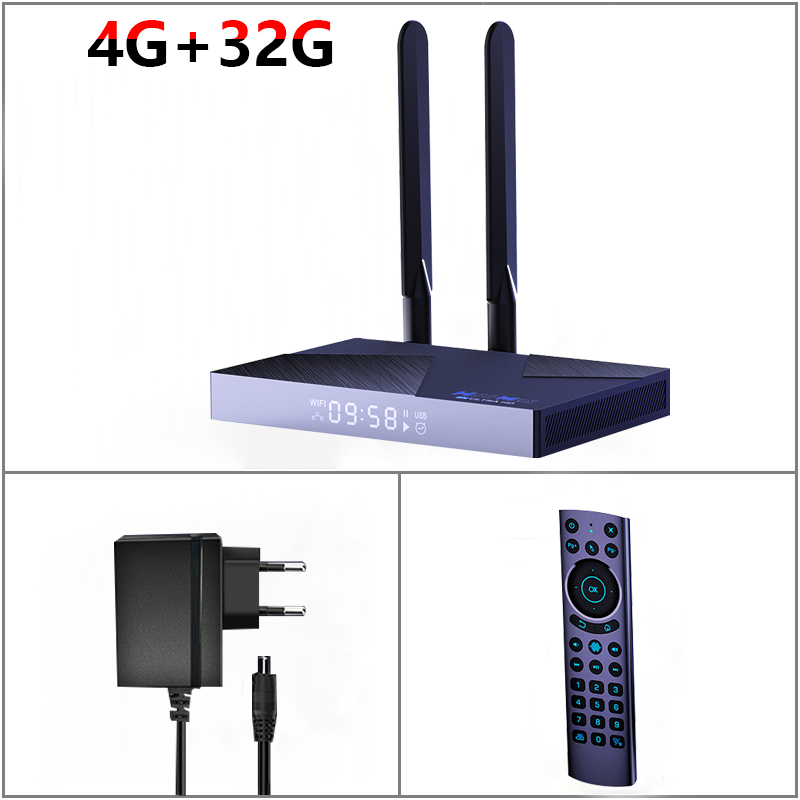
Streaming sticks, Android-based devices, smart televisions, computers, tablets, and mobile phones can all contribute to a more flexible viewing environment. This device diversity is one reason IPTV UK continues to attract attention.
A viewer may watch a live programme on a television in the evening and later use a phone or tablet to access compatible content while away from home. The important development is not simply the number of supported devices but the freedom created by a connected entertainment ecosystem.
Before selecting a service, viewers should always check device compatibility, application requirements, operating-system support, and the provider's instructions for installation.
Picture quality is another major part of the digital television transformation.
As high-speed broadband becomes more widespread, viewers have developed stronger expectations regarding image quality. HD and 4K content are increasingly associated with premium viewing experiences, although actual quality depends on several factors, including the source content, encoding, device capabilities, network performance, and provider infrastructure.
A service advertising high-resolution streaming does not automatically guarantee that every programme will be available at that resolution.
For this reason, consumers should evaluate streaming quality realistically. A reliable HD stream with consistent performance can provide a better experience than a service that advertises impressive specifications but frequently buffers or disconnects.
A common mistake when comparing IPTV services is focusing almost entirely on the size of the channel list.
A large catalogue may sound impressive, but the practical value of any service depends on reliability. Frequent buffering, interruptions, unavailable streams, poor-quality feeds, or slow support can quickly reduce the value of a subscription.
When evaluating the best IPTV UK options, consumers should therefore consider:
These factors provide a much more useful basis for comparison than a headline channel count alone.
The growth of internet television has also made it increasingly important for consumers to distinguish legitimate services from questionable providers.
Not every service using the IPTV label operates in the same way. Some providers may have proper agreements and licences for the content they distribute, while others may offer programming without the necessary rights.
Consumers should therefore investigate a provider before purchasing an IPTV UK subscription. Clear company information, transparent pricing, understandable terms, customer support, and information about content rights are useful indicators of a responsible service.
Extremely cheap offers, unrealistic promises, unclear ownership information, and enormous content libraries offered without meaningful explanations should encourage consumers to conduct additional research.
Choosing a legitimate service protects consumers from unnecessary uncertainty and contributes to a healthier digital entertainment environment.
Traditional television encouraged people to think in terms of channels and schedules. Digital television encourages viewers to think in terms of content and accessibility.
This distinction is important.
Instead of asking which channel is broadcasting a programme at a particular time, modern viewers increasingly ask whether the content is available on their preferred device and whether they can access it conveniently.
Younger audiences in particular have grown accustomed to on-demand digital experiences. Even viewers who continue watching live television increasingly expect features such as catch-up access, programme discovery, personalised recommendations, and multi-device compatibility.
The result is a television environment that is becoming more interactive and flexible.
Price remains an important consideration for households. However, value should not be measured simply by comparing monthly subscription prices.
A cheaper service may become expensive in practical terms if it delivers unreliable streams or poor support. Similarly, a premium subscription may provide stronger value if it offers dependable performance, useful features, compatible devices, and the content a household regularly watches.
When evaluating an IPTV UK subscription, viewers should consider the complete package rather than focusing on one number.
A useful comparison can include:
This approach makes it easier to identify services that genuinely match individual viewing requirements.
Because IPTV relies on internet connectivity, broadband performance has a direct influence on the viewing experience.
A household with a strong, stable connection is generally better positioned to enjoy high-quality internet television. Network congestion, Wi-Fi limitations, router performance, and simultaneous internet activity can all affect streaming.
For the best possible experience, viewers should maintain a reliable home network and consider the placement of their router and streaming device. Where practical, a wired connection can provide an alternative to Wi-Fi for devices that support Ethernet.
This demonstrates an important point: IPTV is not an isolated television technology. It operates as part of the wider connected-home environment.
The future of IPTV UK is likely to be shaped by continued improvements in broadband infrastructure, connected devices, cloud technologies, content delivery systems, and consumer expectations.
Television may become increasingly integrated with other digital services. Instead of thinking about television as a standalone appliance, households may increasingly view entertainment as a connected ecosystem accessible across multiple screens.
Artificial intelligence may also influence content discovery, recommendations, search, and personalisation. Improvements in streaming technology could make high-quality video more efficient to deliver, while smarter devices could make switching between live and on-demand content increasingly seamless.
However, the fundamental priorities are unlikely to change. Viewers will continue to value reliability, quality, convenience, choice, affordability, and legitimate access to content.
Before subscribing, consumers should take a structured approach.
First, identify the type of programming that matters most. There is little benefit in paying for an enormous catalogue if the service does not provide the content a household actually watches.
Next, check device compatibility. Confirm whether the service works with the television, streaming device, smartphone, tablet, or computer intended for use.
Streaming performance should then be considered. Look for clear information about supported resolutions and understand that real-world performance depends on both the provider and the user's internet connection.
Customer support is another important consideration. A responsible provider should make it reasonably clear how customers can receive assistance with account or technical issues.
Finally, examine the subscription terms and the legitimacy of the service before making a purchase.
IPTV UK represents an important stage in the broader transformation of television from a broadcast-centred medium into a connected digital service.
Its importance is not simply about replacing one delivery method with another. The larger change is the way viewers interact with entertainment.
Television is becoming more flexible, device-independent, and internet-connected. Viewers expect content to be available when and where it is convenient, while households increasingly use several connected devices as part of one entertainment environment.
For consumers considering an IPTV UK subscription, the most sensible approach is to look beyond marketing claims and evaluate the complete experience. Content quality, reliability, compatibility, support, transparent pricing, and legitimate distribution should all play a role in the decision.
The digital transformation of television is well underway, and IPTV UK has become an important part of that changing landscape. Faster internet connections, smart televisions, streaming hardware, and evolving consumer habits have created new expectations for how television should be delivered and experienced.
Today, viewers are no longer limited to a single traditional method of accessing entertainment. Internet-based television can provide a flexible framework for live and digital viewing across compatible devices, provided that services are reliable, properly supported, and legitimately distributing their content.
The future will likely bring even greater integration between television, broadband, smart devices, and digital services. For viewers, that means the television experience can continue moving away from fixed schedules and hardware limitations toward a more connected and adaptable form of entertainment.
IPTV UK is therefore not simply part of the television market—it is part of the wider movement toward a more flexible digital viewing experience.

This post has been authored and published by one of our premium contributors, who are experts in their fields. They bring high-quality, well-researched content that adds significant value to our platform.











Trending Buzz is your trusted source for trending news, viral stories, entertainment, technology, lifestyle, and informative content. Discover what's buzzing around the world every day.